News
-
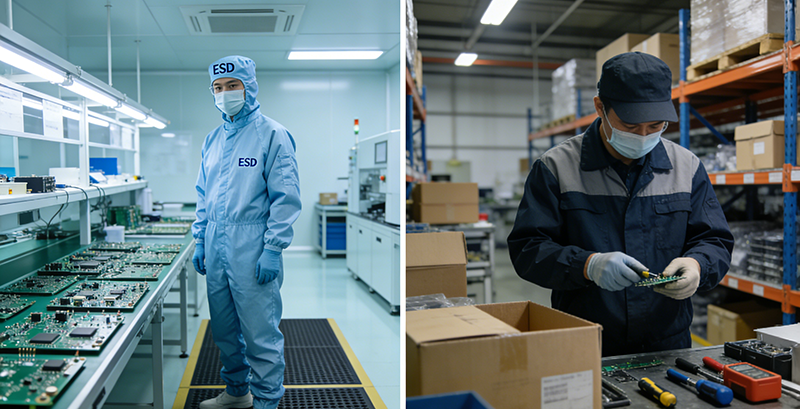
- ESD Clothing vs Normal Workwear: What’s the Difference?
- IntroductionAt first glance, ESD clothing and normal workwear may look similar. However, their function, materials, and performance are fundamentally different.This article explains why ordinary workwear cannot replace certified ESD garments in sensitive environments.1. Material CompositionNormal wo
-
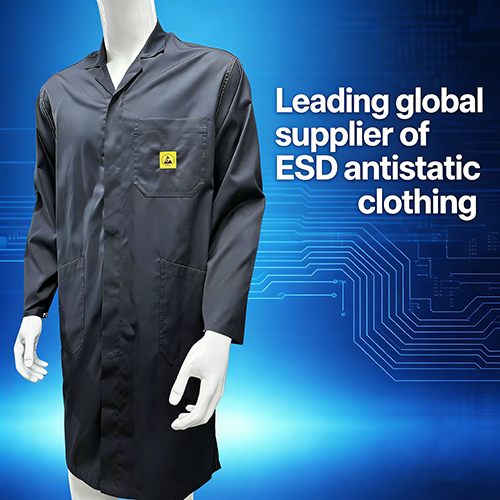
- How to Choose ESD Garments for Cleanroom Applications
- IntroductionChoosing the right ESD garments for cleanroom environments is not only about comfort or appearance—it directly affects product quality, yield, and ESD compliance.This guide explains the key factors engineers and procurement teams should consider when selecting ESD garments for cleanroom
-
- IEC 61340-5-1 vs ANSI/ESD S20.20: Key Differences Explained
- IntroductionTwo major standards dominate ESD control programs:IEC 61340-5-1ANSI/ESD S20.20Understanding their differences helps manufacturers choose compliant ESD garments and systems.Overview of Both StandardsAspectIEC 61340-5-1ANSI/ESD S20.20OriginInternational (IEC)United StatesScopeESD control s
-
- What Is IEC 61340-5-1 and Why It Matters in Electronics Manufacturing
- IntroductionAs electronic components become smaller and more sensitive, electrostatic discharge (ESD) has become a major cause of hidden product failure. IEC 61340-5-1 provides a globally recognized framework to control this risk.This article explains what IEC 61340-5-1 is and why it matters for ele
-
- IEC 61340-5-1 Explained: Requirements for ESD Garments
- IntroductionElectrostatic discharge (ESD) is one of the most critical risks in electronics manufacturing, semiconductor production, and cleanroom environments. To control this risk, international standards such as IEC 61340-5-1 define strict requirements for ESD control systems—including ESD garmen
-
- ESD Garments Compliance Checklist for Cleanrooms
- A Practical Guide to ESD Clothing ComplianceIn cleanroom and electronics manufacturing environments, ESD clothing compliance is not optional—it is a fundamental requirement for protecting sensitive components, maintaining product quality, and meeting international standards.This ESD garments compli
-
- ESD Clothing vs Normal Workwear
- Understanding the Differences, Principles, and Standards Behind ESD ProtectionIn electronics manufacturing, semiconductor production, and cleanroom environments, clothing is more than just personal protection — it is a critical part of the ESD control system. Many companies still underestimate the
-
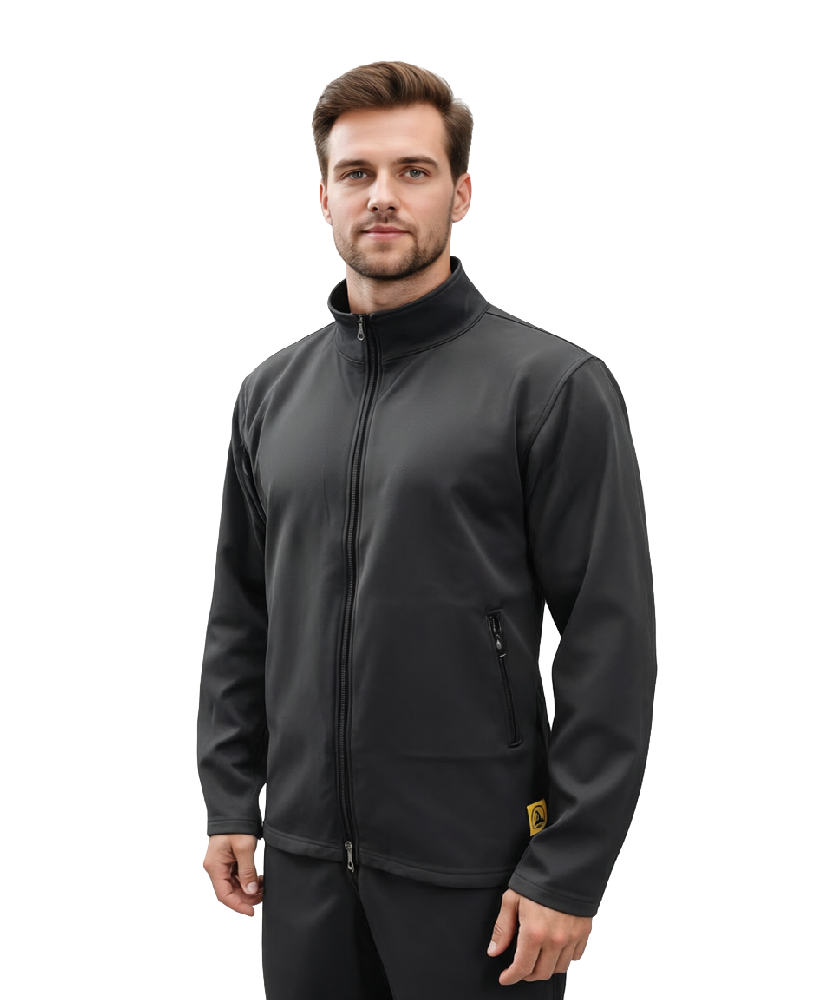
- How to Choose ESD Garments for Cleanroom
- A Practical Guide to Compliance, Performance, and Proper SelectionIn cleanroom environments where sensitive electronic components are manufactured or assembled, electrostatic discharge (ESD) and particle contamination are two critical risks. Selecting the right ESD garments for cleanroom use is esse
-
- IEC 61340-5-1 Requirements for ESD Garments
- A Buyer-Oriented Guide for Electronics Manufacturers and Global BrandsIn electronics manufacturing, ESD failures are not only a technical problem — they are a business risk. Product returns, yield loss, customer complaints, and failed audits often trace back to one overlooked factor: non-compliant
-
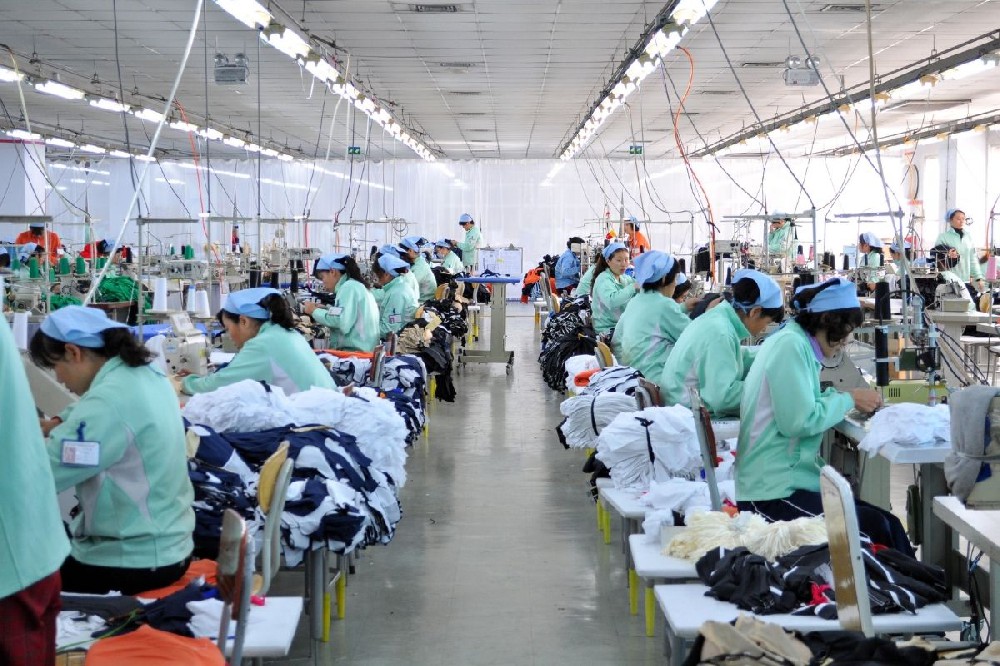
- ESD Workwear Manufacturer for Distributors
- Trustat is a professional ESD workwear manufacturer specializing in stable bulk supply for distributors and B2B partners.We provide IEC 61340-5-1 compliant anti-static clothing designed for long-term distribution in electronics manufacturing, cleanroom and industrial environments across EU and US ma
-

- How to Maintain and Wash ESD Workwear Properly
- Key Points for Cleaning and Maintaining Antistatic Work Clothes1. Cleaning Precautions- Antistatic work clothes should be cleaned regularly to maintain their good antistatic properties. 1. **Washing Recommendations:- Avoid using strong oxidizing chemicals such as chlorine bleach, as these can damage
-

- How ESD Fabrics Prevent Static Electricity
- Antistatic fabrics primarily prevent static electricity buildup and discharge hazards through three core mechanisms:1. Charge Leakage: This is currently the most widely used principle in antistatic fabrics.Conductive Fiber Nesting: Conductive fibers made of metal fibers or organic conductive materia
-
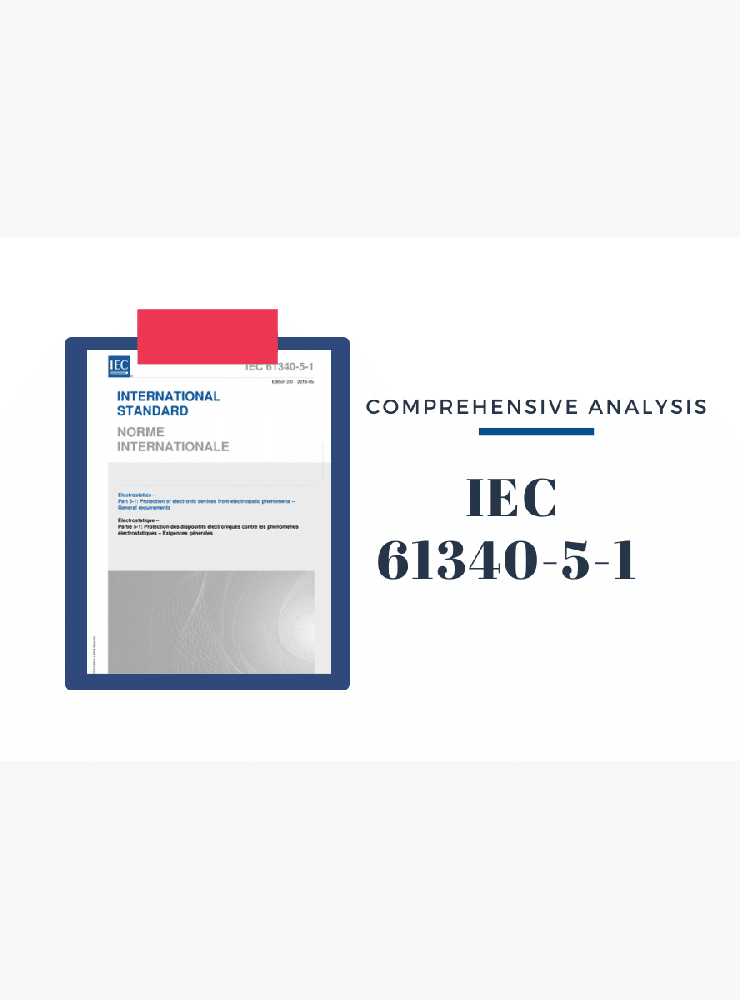
- Core Changes and Technical Requirements of IEC 61340-5-1:2024 Standard
- The third edition of IEC 61340-5-1:2024, published by the International Electrotechnical Commission (IEC), is a core international standard in the field of electrostatic discharge (ESD) protection, outlining comprehensive requirements for ESD protection during the manufacturing process of electronic
-
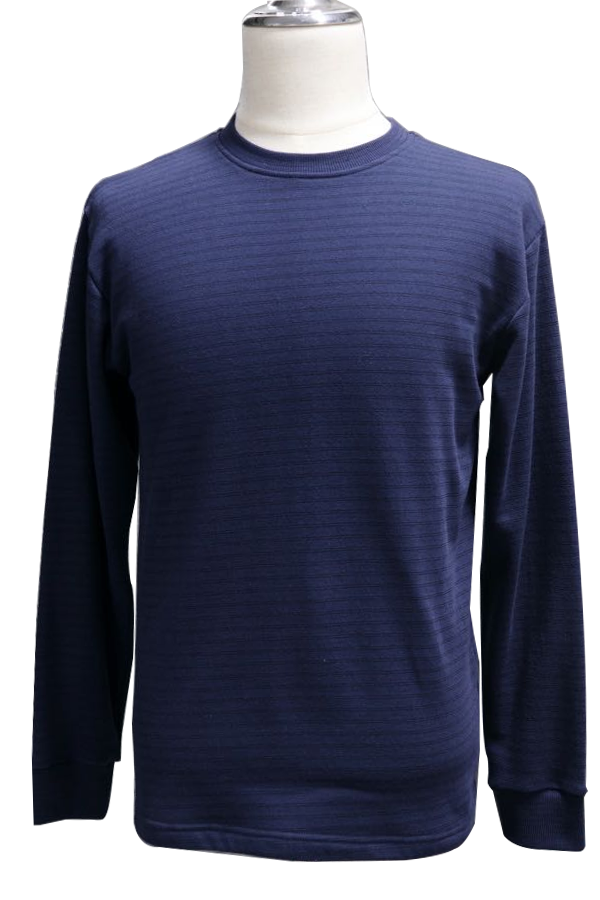
- How to Choose ESD Workwear for Electronics Manufacturing
- In work environments requiring anti-static and pollution-prevention measures, work clothes are not only basic protective equipment but also directly impact operational safety and efficiency. Anti-static clothing, through special materials and structural design, effectively dissipates static electric
-
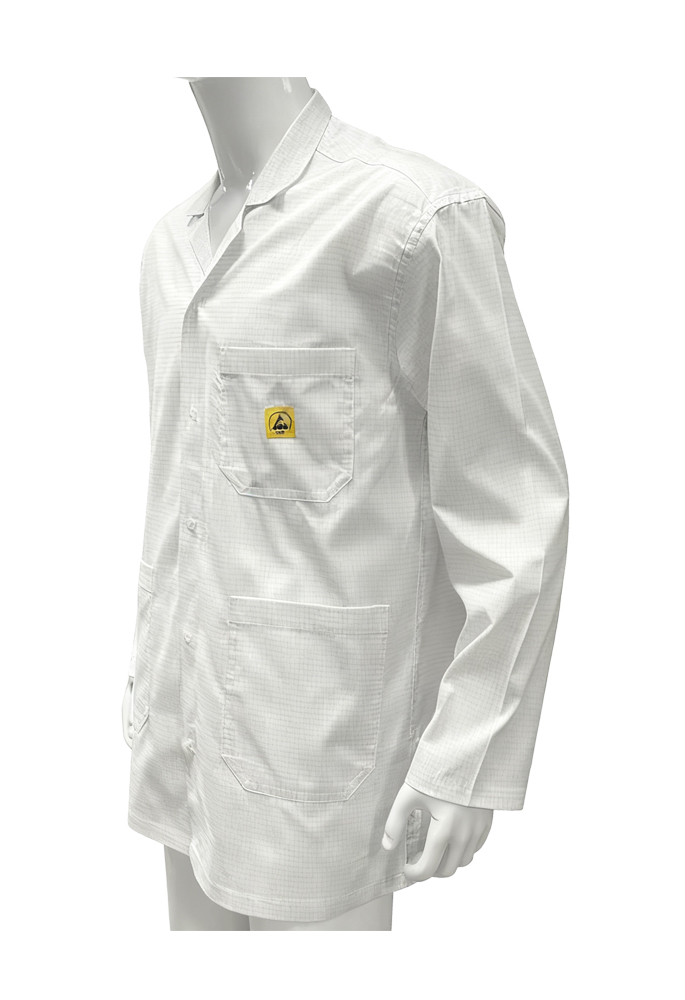
- What are antistatic work clothes and why are they so important?
- In industries such as precision electronics, pharmaceuticals, and food processing, even tiny static sparks can trigger serious accidents. Antistatic workwear was developed specifically for this purpose—it's made of conductive fibers woven into a special fabric that effectively releases static e
-
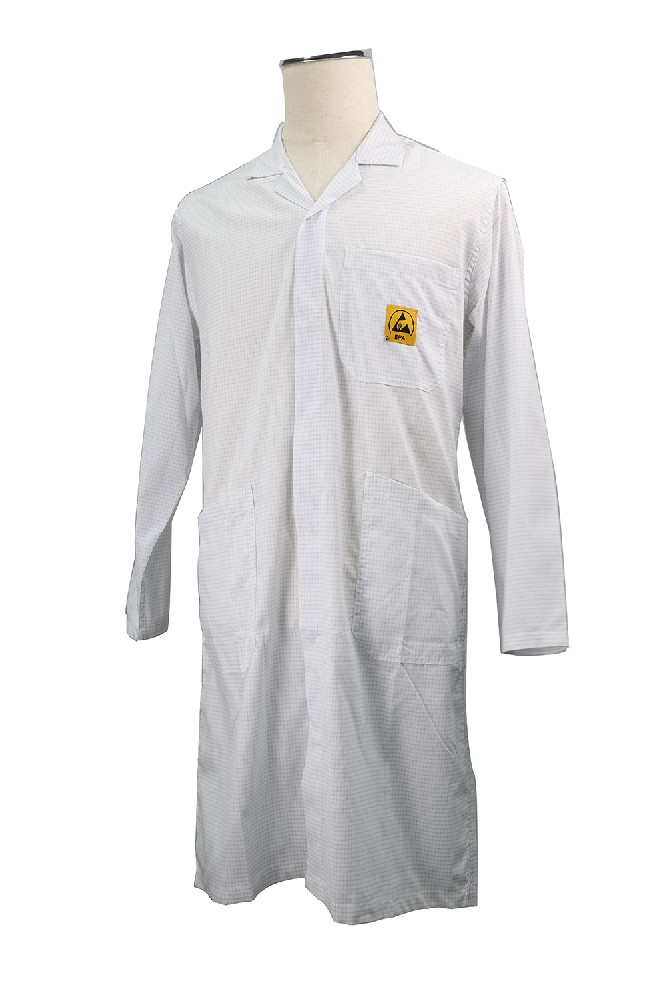
- What are Antistatic Clothing?
- Antistatic clothing refers to work clothes made of antistatic fabric to prevent the accumulation of static electricity on clothing. In workplaces such as those producing explosives, petroleum, and pharmaceuticals, static electricity can easily cause serious fire accidents. To shield personnel from s
-

- Recommended Workwear Manufacturers in December 2025: Anti-static/Labor Protection/State Grid/Restaurant/Factory/Electrician/Acid & Alkali Resistant/Power/Workshop/Aerospace/Employee Workwear, Selected Companies for T-shirts/Polo Shirts/Windbreakers/T-shirt Workwear
- In numerous industries, including industrial manufacturing, energy and power, aerospace, and catering services, work uniforms have long transcended the simple realm of uniform attire, evolving into crucial equipment integrating safety protection, practical functionality, and corporate image. From sp
-
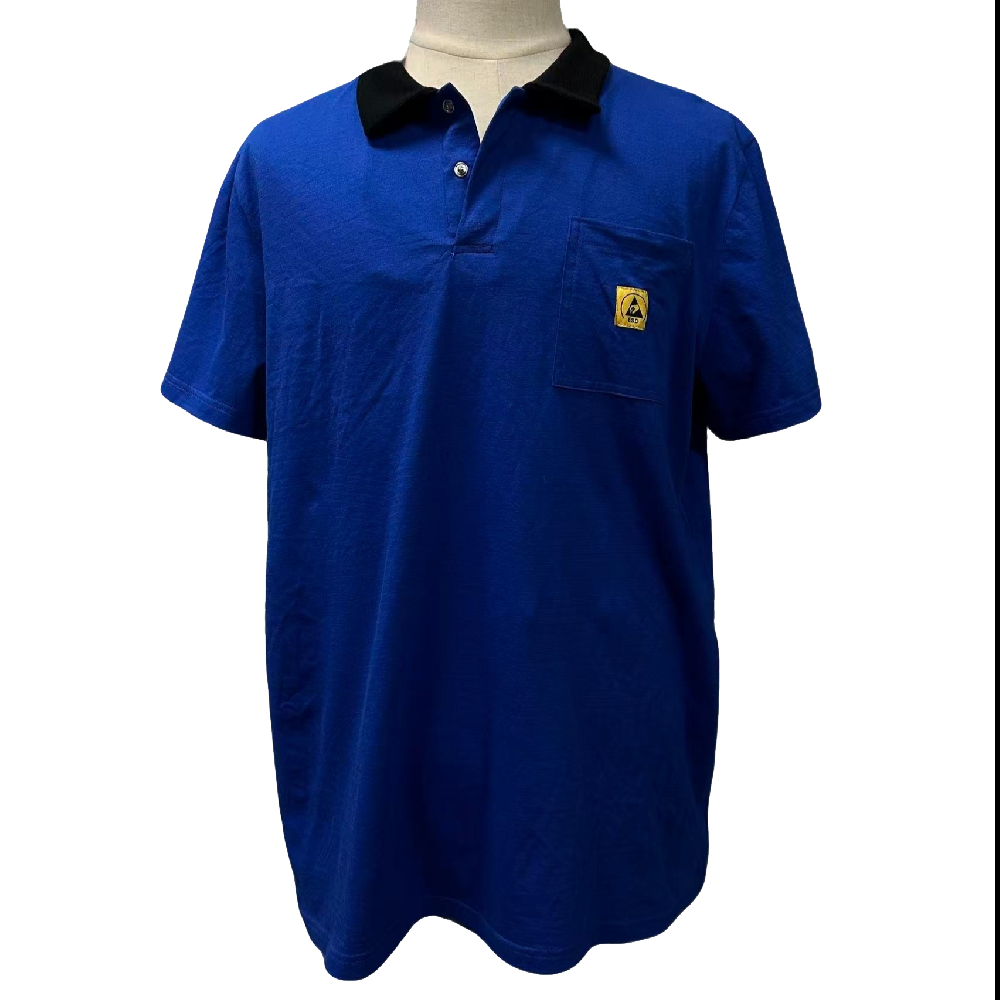
- The principle and function of antistatic clothing
- Static electricity is caused by many factors, such as clothing material, intensity of activity, ground conductivity, tools used, and environmental humidity and temperature. Therefore, a special type of protective clothing—antistatic clothing—has been developed. It is used in environments sensitive

 siu24@trustat-techwear.com
 +86 1866 2439 831