
 siu24@trustat-techwear.com
 +86 1866 2439 831

Antistatic fabrics primarily prevent static electricity buildup and discharge hazards through three core mechanisms:
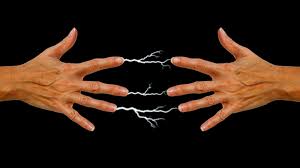
1. Charge Leakage: This is currently the most widely used principle in antistatic fabrics.
Conductive Fiber Nesting: Conductive fibers made of metal fibers or organic conductive materials are interspersed at equal intervals during weaving.
Discharge Path: When a person or garment becomes charged and comes into contact with the ground, the static electricity is rapidly conducted and discharged to the earth through these conductive fibers.
2. Corona Discharge Neutralization: In situations where grounding is not possible, the fabric dissipates charge through "corona discharge" generated by the conductive fibers.
Local Neutralization: A weak corona discharge occurs near the tips of the conductive fibers, ionizing the surrounding air and generating opposite charges to neutralize the static electricity on the fabric.
3. Enhanced Hydration: This method is often used in everyday clothing or in situations where antistatic requirements are lower.
Physical/Chemical Modification: The fabric's hydration capacity is improved by coating the fiber surface with antistatic agents (such as cationic surfactants) or by performing hydrophilic modifications. Water Film Formation: A thin, continuous water film forms on the surface of the damp fabric, increasing surface conductivity and preventing the accumulation of static charge, which then dissipates more quickly.
Common Antistatic Fabric Treatment Classifications
Treatment Method | Core Principle | Characteristics
Blended Conductive Fibers | Conductivity and Corona Discharge | Good durability, washable, widely used in professional antistatic clothing
Antistatic Agent Treatment | Increases hygroscopicity/charge neutralization | Simple processing, but poor washability, effect weakens over time
Natural Fiber Blends | Physical Moisture Absorption | Utilizes the natural hygroscopicity of fibers such as cotton and linen to reduce charge accumulation