 siu24@trustat-techwear.com
 +86 1866 2439 831

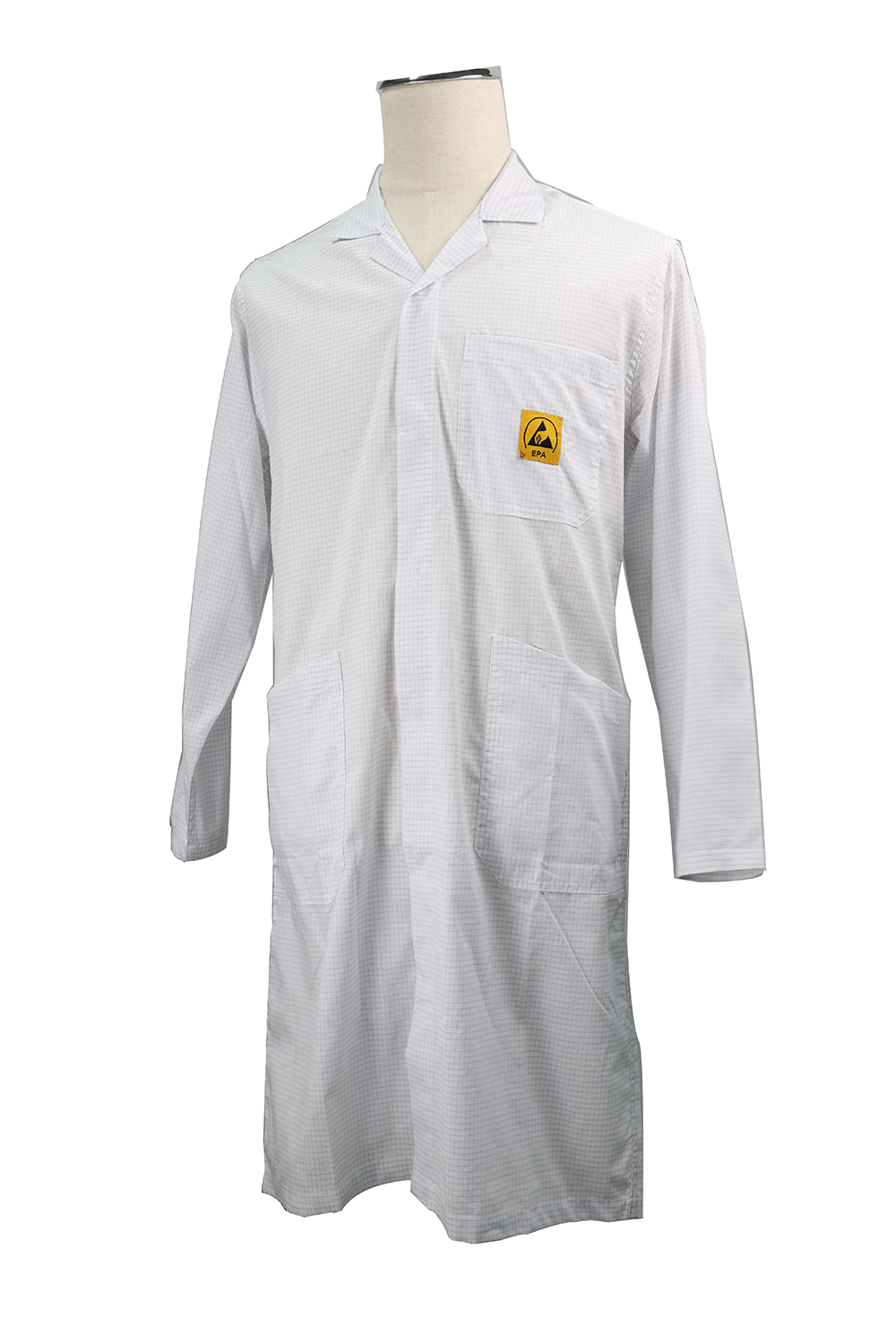
Antistatic clothing refers to work clothes made of antistatic fabric to prevent the accumulation of static electricity on clothing. In workplaces such as those producing explosives, petroleum, and pharmaceuticals, static electricity can easily cause serious fire accidents. To shield personnel from static electricity generated by the human body and reduce or even eliminate the harm caused by static electricity to prevent accidents, providing antistatic clothing is a basic requirement for labor protection in these companies. Let's learn more about it together at the Protective Clothing Exhibition.
In addition, some precision manufacturing industries, such as electronic precision machining, require processing operations in a dust-free and static-free environment. Therefore, employee work clothes also require dust-proof and antistatic treatment. To meet antistatic standards and ensure uniformity, most companies customize different types of antistatic clothing according to different job positions.
Antistatic clothing is generally made of synthetic fiber fabric with conductive threads embedded within. It is an antistatic fabric, using high-quality materials, and comes in many styles, including two-piece, pullover, and one-piece suits.
Antistatic Clothing Standards: Antistatic clothing is designed and manufactured in a standardized manner according to international regulations, using antistatic fabrics. IEC 61340-5-1 / ANS/ESD S20.20, the standard for antistatic clothing, strictly specifies the technical configuration and requirements for antistatic clothing.
How Antistatic Clothing Prevents Static Electricity
Antistatic clothing primarily utilizes the corona discharge and leakage discharge mechanisms of metal fibers, semi-conductive fibers, or antistatic synthetic fibers to eliminate static electricity on clothing and the human body. When designing clothing, attention should be paid to the application area of non-antistatic functional fabrics, which should not exceed 20%.
Antistatic fabrics are made by blending conductive fibers or antistatic synthetic fibers, or a mixture of both, into the fabric in a certain proportion, approximately at equal intervals or evenly. Conductive fibers refer to fibers made wholly or partially of conductive or semi-conductive materials (such as stainless steel) or organic materials, with a volume resistivity between 10⁴ and 10⁹ Ω·cm.
Based on the distribution of conductive components within the fiber, conductive fibers can be classified into three categories: uniformly conductive, covered conductive, and composite conductive. Currently, the vast majority of antistatic clothing is made of conductive fibers, with composite conductive fibers being the most widely used.
The above is an introduction to "What are Antistatic Work Clothes?" provided by Trustat. We hope it helps you understand antistatic clothing! If you still have questions, please contact us at Email: siu24@trustat-techwear.com. We are confident you will be satisfied.